Clear answers usually feel reassuring during construction planning. Most contractors support vinyl flooring for new builds because of its stability, visual balance, and everyday practicality. Floors beneath the foot should be strong enough to survive movements, moisture, and daily use. Vinyl supports those needs quietly. Over time, fewer concerns appear. That consistency explains the growing preference.
Vinyl Flooring Gains Trust Through Practical Performance
Early decisions shape comfort over many years. Vinyl flooring for new builds often enters conversations before surface finishes feel settled. That suggestion rarely feels accidental. Familiarity grows through repeated use across varied layouts. Confidence builds quietly through consistent outcomes.
Construction phases introduce natural movement. Structural settling occurs without warning. Flooring must adjust without visible disruption. Vinyl allows that flexibility. Stress marks remain minimal. Surface alignment stays visually calm.
After move-in, expectations rise quickly. Any flaw becomes noticeable. Vinyl helps reduce those moments. Post-installation concerns appear less often. Follow-up visits become unnecessary.
Over time, trust forms without discussion. Maintenance needs remain low. Performance stays predictable. Gradually, benefits of vinyl flooring in new construction feel clear through lived experience rather than explanation.
Durability Becomes a Silent Yet Essential Advantage
Daily pressure is faced by flooring in active homes. Furniture movement is repeated often. Heavy foot traffic is created each day. Surface stress is absorbed quietly by vinyl flooring layers.
Early wear patterns are common during first years of occupancy. Alignment issues are usually expected with rigid materials. Edges are kept firm by vinyl. Planks are held steady as structures settle naturally.
Long-term value is supported through that durability. Replacement cycles are extended without effort. Gradual cost savings are noticed over time. Because of that, benefits of vinyl flooring in new construction are viewed as practical choices.
Design Consistency Supports Modern Living Spaces
Visual flow influences how spaces feel. Vinyl flooring for modern home design supports continuity across rooms. Open layouts benefit from seamless transitions. No abrupt material changes appear.
Natural textures feel realistic. Wood-inspired finishes carry warmth. Stone-inspired styles add balance. Those visuals suit varied preferences without overwhelming spaces.
Trends shift regularly. Vinyl allows adaptability. Style updates remain easier later. That flexibility keeps homes feeling current. Choosing the right vinyl flooring for your home often reflects long-term thinking.
Moisture Resistance Protects Everyday Comfort
Water exposure often leads to early flooring damage. Kitchens and bathrooms stay vulnerable every day. Vinyl flooring for kitchens and bathrooms is chosen because moisture impact is reduced quietly. Surface layers are designed to resist penetration. Subfloor stress remains limited even with frequent water contact.
Spills are contained without urgency. Humidity changes are handled without expansion. Swelling concerns are largely avoided. Cleaning routines remain gentle and predictable. Daily upkeep feels manageable without special treatments.
Over time, moisture-related complaints are reduced noticeably. Hidden damage risks stay lower. Confidence grows through consistent performance. Everyday living feels lighter. Floors continue functioning without constant monitoring or concern.
Installation Predictability Reduces Construction Stress
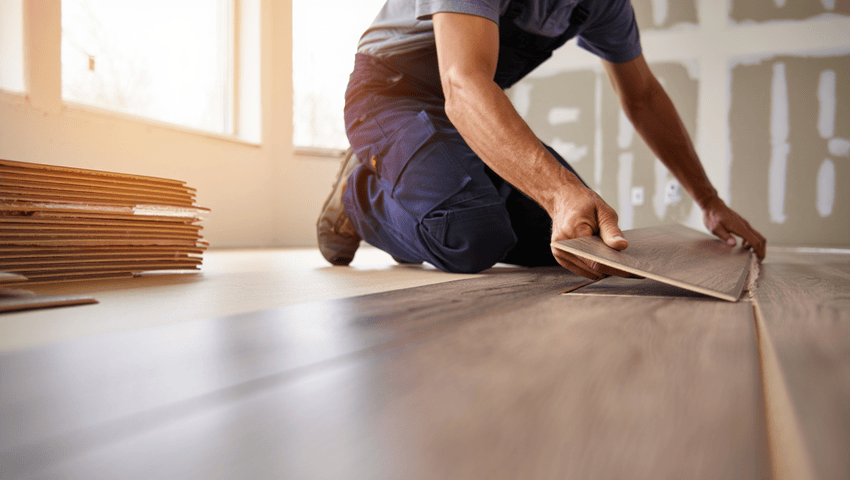
Time matters during new builds. Delays affect schedules. Vinyl installation remains efficient and predictable. Crews work smoothly without complex adjustments.
Material handling feels manageable. Waste stays controlled. Surface preparation remains straightforward. These factors reduce timeline pressure.
Predictability supports smoother planning. Stress remains lower throughout construction. Contractors value that reliability deeply. Flooring decisions feel settled rather than rushed.
Cost Balance Supports Responsible Decision-Making
Budgets influence every choice. Vinyl offers balance without visual compromise. Pricing remains steady. Installation costs stay reasonable.
Unexpected upgrades feel unnecessary. Long-term maintenance costs remain low. That financial clarity supports confidence.
Because of that balance, vinyl flooring often enters conversations where refined style meets cost awareness. Likewise, an affordable vinyl flooring store in Brampton becomes part of early sourcing discussions.
Planning feels calmer when numbers remain stable. Flooring choices feel justified rather than forced.
Comfort Underfoot Improves Daily Experience
Comfort often gets overlooked. Vinyl provides softer underfoot support compared to harder surfaces. Walking feels easier. Standing feels less tiring.
Sound absorption improves slightly. Echoes feel reduced. Living spaces feel calmer overall.
Temperature balance also matters. Luxury vinyl flooring in Brampton avoids extreme cold sensations. Daily comfort improves subtly. Over time, that difference feels meaningful.
Maintenance Simplicity Fits Real Lifestyles
Busy routines demand easy care. Vinyl surfaces clean quickly. No sealing routines apply. No special treatments remain required.
Spills wipe away easily. Dust removal feels simple. Wear patterns stay minimal.
Because upkeep remains manageable, satisfaction increases naturally. Floors stay attractive without effort. That simplicity appeals strongly during long-term ownership.
Environmental Considerations Continue Improving
Material production continues evolving. Many vinyl options now include improved manufacturing standards. Longevity reduces replacement frequency.
Longer lifespans support reduced waste. That factor matters quietly. Responsible choices feel more accessible.
While sustainability conversations continue evolving, vinyl shows steady improvement. Thoughtful selection enhances that benefit further.
Vinyl Flooring Remains a Reliable Choice
Experience often shapes recommendations during construction planning. Vinyl flooring for new builds is trusted because performance is proven over time. Promises rarely influence that trust. Daily use, structural settling, and routine cleaning are handled without visible stress. That reliability becomes noticeable only after move-in.
Post-occupancy comfort remains a quiet advantage. Visual appeal stays balanced across rooms. Surface textures continue to feel current. Maintenance routines remain simple and predictable. Floors require little attention to stay presentable.
Decision stages often bring hesitation. Many materials appear appealing early. Vinyl tends to remain steady during final evaluations. Durability and moisture resistance continue to align naturally with real living needs.
When sourcing quality materials becomes important, guidance usually narrows quickly. At that stage, Best Tiles and Flooring fits into the conversation without forcing the decision.
FAQs
Why vinyl suits new construction?
Structural flexibility, durability, and moisture resistance support early settling phases. Long-term stability reduces future concerns significantly.
How vinyl supports modern layouts?
Vinyl flooring for modern home design allows seamless room transitions. Visual continuity improves flow and balance.
What makes vinyl low maintenance?
Simple cleaning routines apply. No sealing or refinishing remains required. Surface wear stays minimal over time.
Where vinyl performs best daily?
Daily routines happen most in kitchens and bathrooms. That’s where vinyl flooring for kitchens and bathrooms quietly proves its reliability over time.
How vinyl fits budget planning?
Material and installation costs remain predictable. Long-term replacement needs stay low. Financial clarity improves decision confidence.
Learn more through articles covering similar subjects.